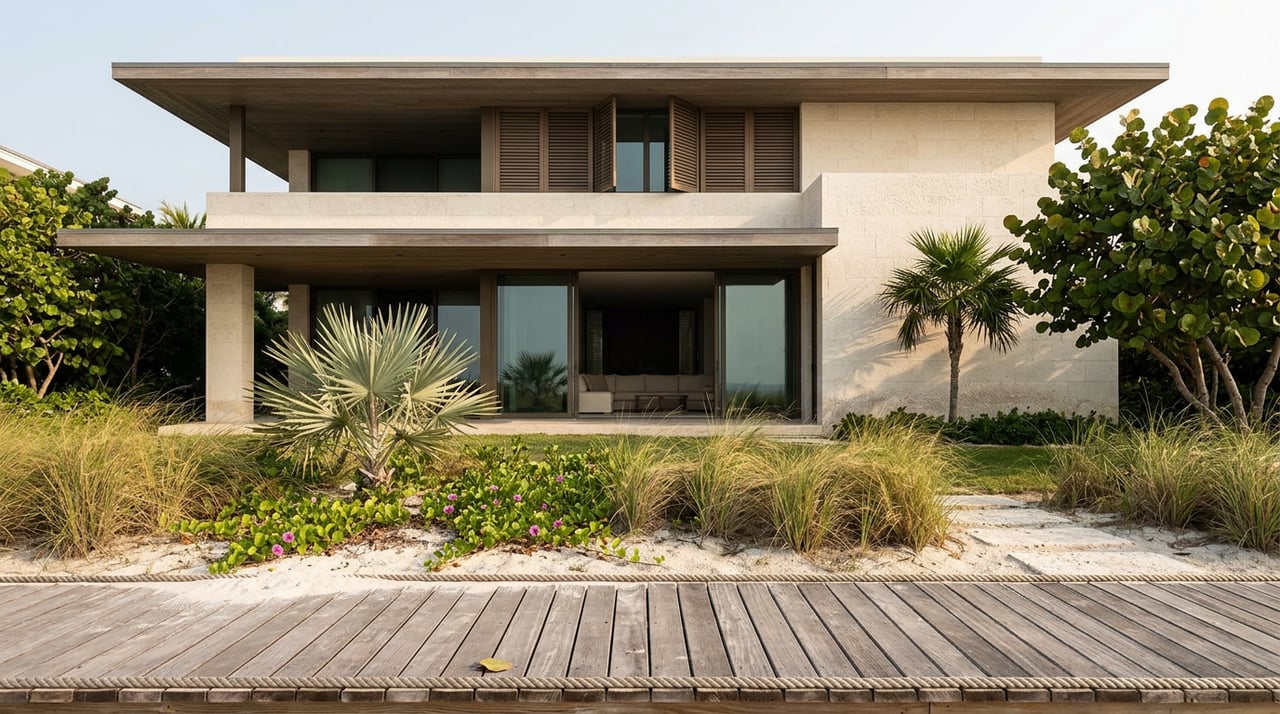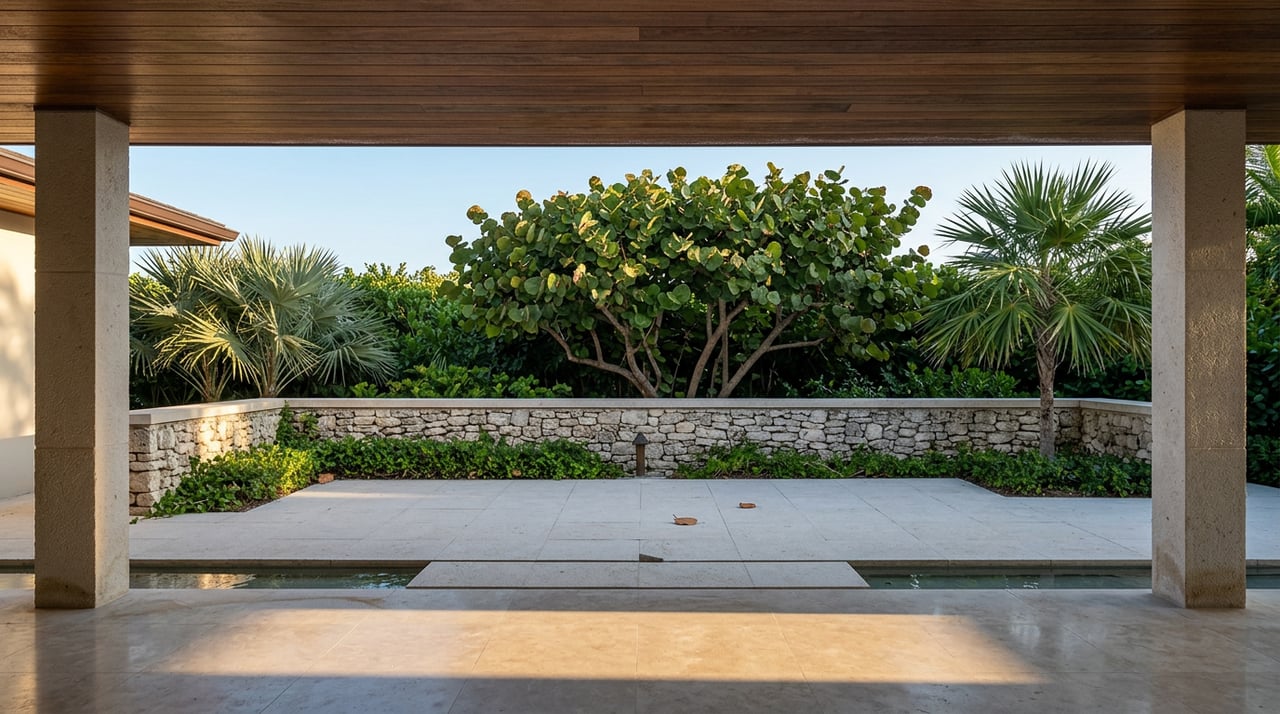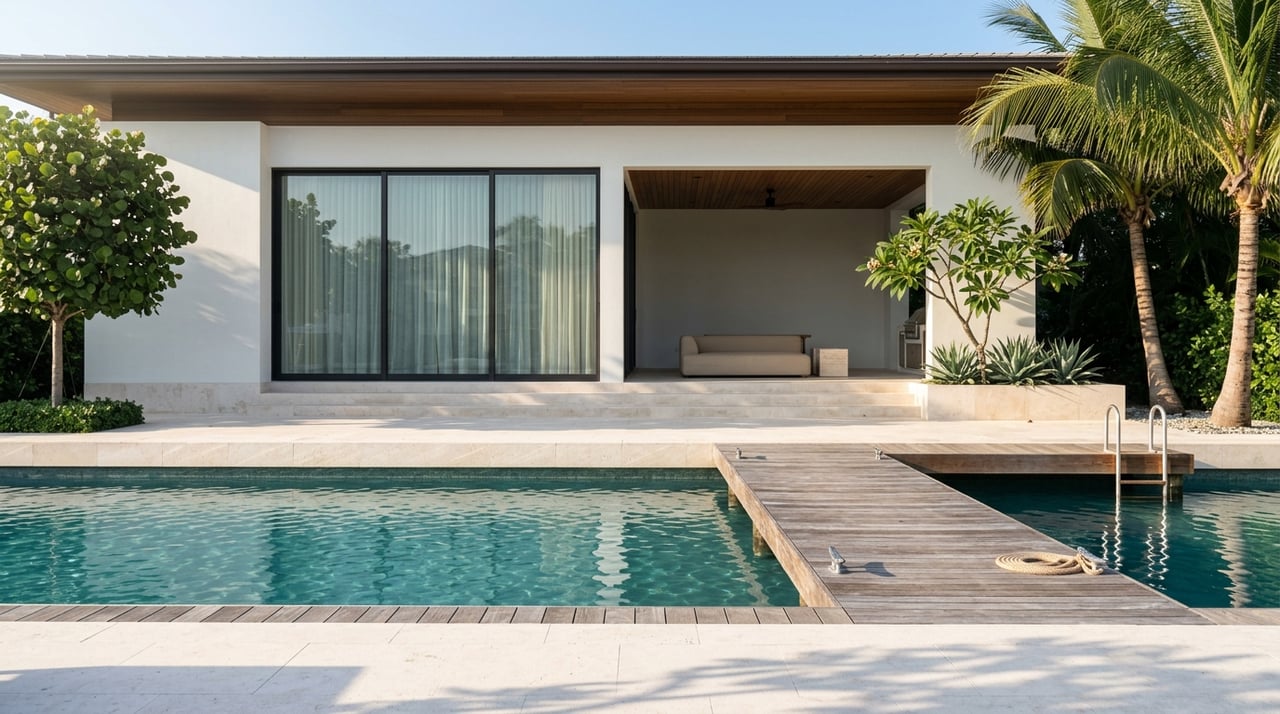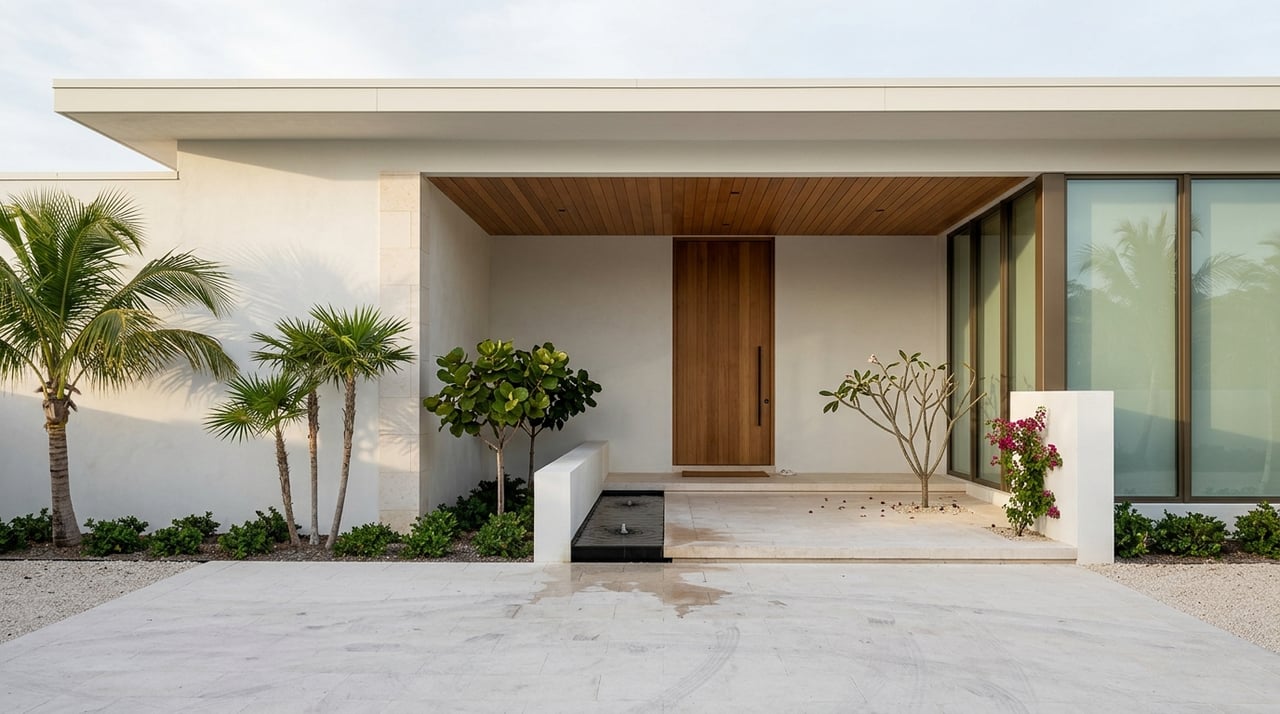
If you are considering Parrot Cay, you are not shopping a typical island market. You are weighing privacy, access, branded service, and a very limited pool of homes in one of Turks and Caicos’ most secluded settings. Understanding how this private estate market works can help you make a more confident decision, whether you are buying for personal use, rental potential, or both. Let’s dive in.
Why Parrot Cay Is Different
Parrot Cay operates more like a private resort ecosystem than a standard residential neighborhood. Official tourism sources describe it as a roughly 1,000-acre private cay with very little development, reached by boat, typically via transfer from Providenciales to Leeward and then by resort ferry.
That matters because value here is shaped by seclusion and logistics as much as by the home itself. On Parrot Cay, the buying decision often centers on how you want to live, host, and travel, along with how the property fits into a managed hospitality environment.
What Buyers Typically Find
The private estate inventory on Parrot Cay is best understood as highly limited and bespoke. Resort materials point to a collection of unique residences that range from smaller villa formats to large compounds with multiple structures and substantial acreage.
In practical terms, that usually means you may encounter properties such as:
- Standalone beachfront villas
- Larger estate compounds
- Homes with guest houses or separate pavilions
- Residences designed for multigenerational stays or group use
This is not a market where dozens of directly comparable properties trade each year. Each home tends to have its own layout, land profile, frontage, service model, and level of integration with the resort.
Scarcity Shapes Pricing
Because supply is so limited, scarcity plays an outsized role in value. Rather than relying on traditional neighborhood comparables alone, buyers often need to assess each property on its own merits.
A useful market example is a January 2026 brokerage listing sale of a beachfront Parrot Cay villa at $17.75 million. That property was described as having 4 bedrooms, about 6,000 square feet, 2.49 acres, and 250 feet of white-sand frontage, along with access to resort estate-management services and COMO facilities. It is best viewed as a market example, not a formal market index, but it helps illustrate the level at which premium beachfront offerings can trade.
What Drives Value on Parrot Cay
On Parrot Cay, value tends to come from physical attributes, privacy dynamics, and service integration. The most important factors are often more specific than simple bedroom count or square footage.
Beach Frontage and Sand Quality
Beach frontage remains a major driver of value, but not all frontage performs the same way. Buyers should look closely at the width of the beach, the usability of the sand, and how the home connects to the shoreline.
Official tourism material notes that beaches on Parrot Cay are public. Even so, many homes feel extremely private because of the cay’s seclusion and the limited practical access to large stretches of coast.
Acreage and Privacy
Land size matters here in a meaningful way. Larger acreage can support better separation between the main house and guest accommodations, more landscaping buffers, and a stronger sense of retreat.
Privacy on Parrot Cay is often created by geography and spacing rather than gates or dense development patterns. That distinction is important when comparing one estate to another.
Layout and Multi-Structure Flexibility
A home with multiple buildings or guest-house flexibility may appeal to buyers who plan to host extended family, travel with staff, or accommodate group stays. In a destination where service and hospitality play such a central role, the way a property functions can be just as important as its appearance.
The most desirable layouts often support both private owner use and smooth guest circulation. That can strengthen personal enjoyment and, where applicable, short-term rental positioning.
Renovation Quality and Condition
In a limited market, quality of execution matters. Buyers should pay close attention to construction quality, renovations, maintenance standards, and how well the home aligns with current luxury expectations.
A beautifully located estate may still require significant work if systems, finishes, or service areas are outdated. On a private cay, planning for upgrades can be more involved than it would be in a more conventional setting.
Resort Services Are Part of the Product
One of the clearest features that sets Parrot Cay apart is the role of resort services. Official sources reference amenities and services such as 24-hour butler service, private chefs, private beach dinners, wellness facilities, treatment pavilions, yoga, Pilates, and daily wellness programming.
These are not minor extras. For many buyers, they are part of the reason to choose Parrot Cay in the first place.
Lifestyle Value and Ownership Experience
If you are purchasing for personal use, service integration can shape your day-to-day ownership experience. A home that works seamlessly with resort operations may offer a more turnkey lifestyle, especially for owners who want arrival-to-departure ease.
This can be especially valuable if you do not plan to spend the full year in residence. The ability to step into a staffed, well-supported environment often becomes a key part of the ownership equation.
Rental Positioning and Operating Standards
If rental use is part of your plan, the branded-managed model becomes even more important. COMO materials indicate that some residences are available to own and reference homeowner schedules, centralized reservations, homeowner billing, and an applicable Rental Agency Agreement.
That suggests rental performance is closely tied to whether a property fits the resort’s operating standards and participation structure. In other words, rental potential is not just about having a beautiful villa. It is also about how the home functions within the broader resort platform.
Cost of Ownership Deserves Careful Review
Luxury buyers in Turks and Caicos are paying closer attention to operating costs, rental mechanics, and ownership structure. On Parrot Cay, that level of diligence is especially important because these properties often serve as both lifestyle assets and managed hospitality assets.
Before moving forward, it helps to evaluate the full ownership picture, not just the purchase price.
Taxes and Acquisition Costs
Turks and Caicos generally allows foreign ownership, though title must be held by a natural person or a Turks and Caicos LLC. A foreign company cannot hold title directly, although upstream ownership may still be structured through a foreign vehicle such as a US LLC.
From a tax perspective, the key points in the research are straightforward: there is no VAT, no annual property tax, and no direct income or capital gains tax. The main acquisition tax is stamp duty.
For Parrot Cay, the practical budgeting assumption is the higher “elsewhere” stamp duty schedule, which reaches 10% above $500,000. That should be built into your upfront transaction planning.
Rental Compliance Matters
If you intend to rent the property on a short-term basis, the operating side deserves equal attention. The Revenue Department lists vacation rentals and villa or condo owners under the 12% hotel and tourism tax.
The same source notes that businesses need a valid Business Licence, and that hotels and other short-term rental providers must submit Accommodation Licensing with FSC registration. For buyers considering income generation, these requirements should be reviewed early in the process.
Why Due Diligence Is So Important
In a market as specialized as Parrot Cay, due diligence needs to go beyond title and price. The governing documents and operating framework can have a major impact on how you use the property and what ownership looks like over time.
COMO’s staffing materials specifically reference Parrot Cay CC&Rs and an applicable Rental Agency Agreement. That is a strong signal that covenants, use rules, maintenance obligations, and rental participation terms may be central to the transaction.
Key Items to Review
Before closing, buyers should take a close look at:
- Title holding structure
- Stamp duty budgeting
- CC&Rs and use restrictions
- Rental Agency Agreement terms, if applicable
- Maintenance and staffing obligations
- Resort service integration
- Business licensing and accommodation requirements for rentals
- Planning approval and certificate of occupancy for new or renovated homes
Each of these items can affect both lifestyle value and long-term operating performance. In a market with limited supply and complex ownership dynamics, details matter.
How to Evaluate a Parrot Cay Opportunity
When you assess a property on Parrot Cay, it helps to move through a clear framework. That keeps the focus on the factors that truly drive value in this niche market.
Start With Your Use Case
First, define how you expect to use the property. A buyer focused on private family use may prioritize privacy, layout, and ease of service, while an investor-minded buyer may place more weight on operating standards, staffing model, and rental compatibility.
Your goals should shape the shortlist from the beginning. On Parrot Cay, the best property for one buyer may be the wrong fit for another.
Compare the Physical Asset
Then compare the fundamentals of the estate itself. Look at acreage, frontage, building layout, condition, and how the home sits on the land.
A house with similar bedroom count to another may have a very different value profile if one offers stronger privacy, better beach usability, or more flexible guest accommodations.
Review the Operational Model
Finally, study how the home works within the resort environment. Service structure, staffing expectations, rental participation, and owner scheduling can all influence your experience.
This is often where sophisticated buyers gain clarity. A Parrot Cay purchase is not only about owning real estate. It is about understanding the operating ecosystem that comes with it.
Why Local Guidance Matters
Parrot Cay is one of the most nuanced luxury submarkets in Turks and Caicos. Thin inventory, bespoke estates, resort integration, and deal-specific covenants mean buyers benefit from guidance grounded in local experience and a clear understanding of the upper tier of the market.
If you are weighing an opportunity here, careful analysis can help you separate a beautiful property from the right property. That distinction often makes all the difference in a market defined by rarity.
If you are considering a purchase or sale on Parrot Cay, working with an advisor who understands luxury beachfront estates, branded residences, and the broader Turks and Caicos market can help you move with confidence. To start a private conversation, connect with Nina Siegenthaler.
FAQs
What makes the Parrot Cay real estate market different from other Turks and Caicos markets?
- Parrot Cay is defined by private-cay access, very limited development, bespoke estates, and resort-integrated ownership, so buyers usually evaluate privacy, service, and operations as much as the home itself.
What types of homes are typically available on Parrot Cay?
- The market generally includes standalone beachfront villas, larger estate compounds, and homes with guest-house or multi-structure flexibility, with supply remaining highly limited.
What features drive value in Parrot Cay private estates?
- The main value drivers typically include beach frontage, usable sand, acreage, privacy, elevation, building layout, renovation quality, and how well the property integrates with resort services.
Are Parrot Cay beaches private?
- Official tourism sources note that Parrot Cay beaches are public, but many estates feel highly private because of the cay’s seclusion and limited practical access along much of the shoreline.
What taxes should buyers budget for when purchasing on Parrot Cay?
- Buyers should plan carefully for stamp duty, which for Parrot Cay falls under the higher “elsewhere” schedule and reaches 10% above $500,000, while the research also notes no VAT, no annual property tax, and no direct income or capital gains tax.
What should buyers review before renting out a Parrot Cay estate?
- Buyers should review hotel and tourism tax rules, Business Licence requirements, accommodation licensing obligations, and any applicable resort rental agreements or use restrictions before planning short-term rentals.
Why are CC&Rs and rental agreements important for Parrot Cay properties?
- Resort and ownership documents can affect use rules, maintenance obligations, rental participation, and operating expectations, so they are often critical parts of due diligence in this market.